How to Fill Empty Pickleball Courts Without Discounting
Off-peak hours don't have to stay empty. Learn why discounts train bad behavior and what actually drives consistent court utilization.
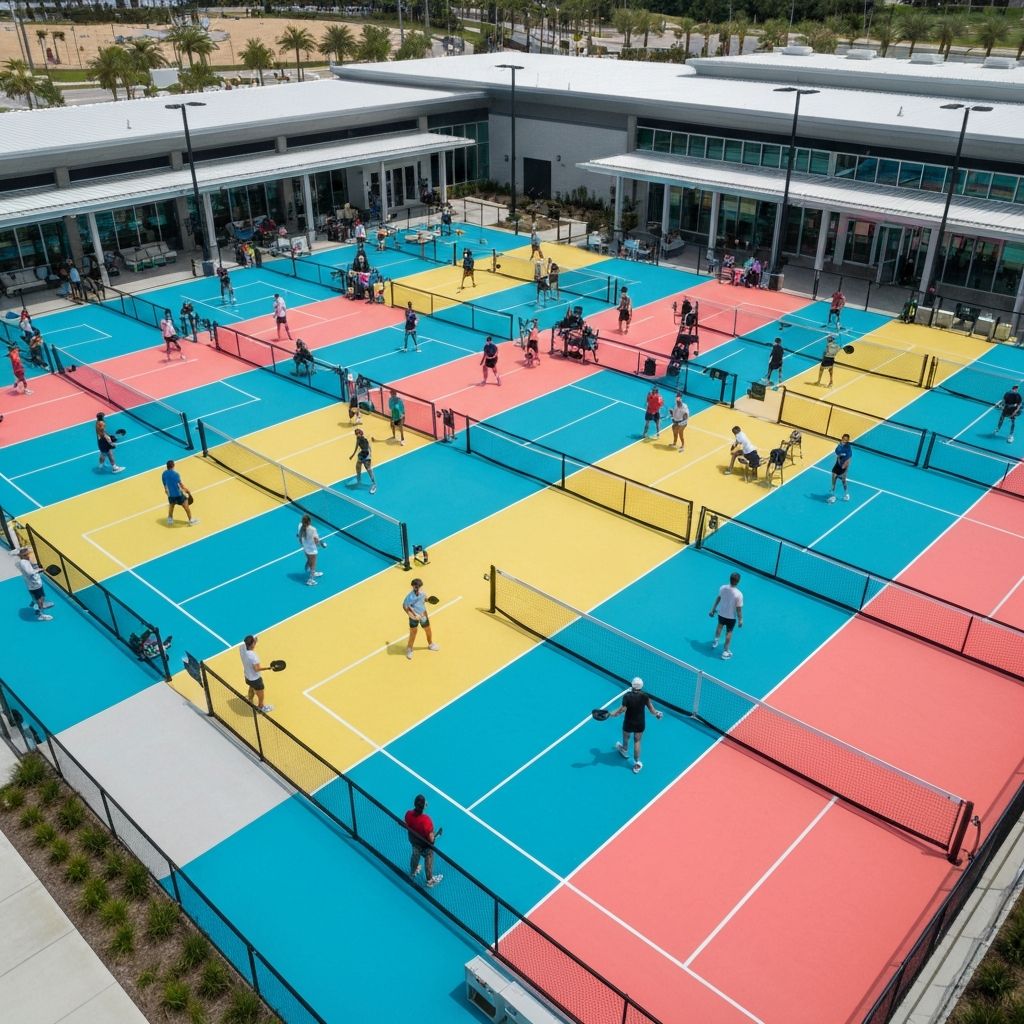
Every pickleball facility operator knows the feeling: prime-time courts are packed, but mornings, early afternoons, and weekday evenings sit largely empty.
It's tempting to slash prices to fill those slots. But discounting is a trap that trains customers to wait for deals and erodes your revenue long-term.
The real question isn't "how do I fill courts?" It's "how do I generate demand for the times I need it most?"
The Problem With Discounting
Discounts feel like a quick fix. Drop your off-peak rate by 30%, and suddenly those empty courts have a few bookings. But here's what actually happens:
- Prime-time migration — Your best customers learn to wait and book cheaper slots
- Price-sensitive attraction — You attract players who won't pay full rates
- Value perception drop — Your brand becomes associated with deals, not quality
- Margin erosion — Revenue per court hour decreases facility-wide
Discounting doesn't create new demand. It shifts existing demand to lower-margin slots while training your entire customer base to expect deals.
What Actually Fills Off-Peak Courts
The facilities that maintain strong utilization across all hours aren't running constant promotions. They're doing something fundamentally different: generating new demand from different customer segments.
1. Group Events and Corporate Bookings
Corporate teams, birthday parties, and social groups don't care about your prime-time schedule. They book when it works for them — which is often your off-peak hours.
Example: A single corporate team-building event can fill 4-6 courts for 2-3 hours on a Tuesday afternoon — at premium rates.
The key is making these groups aware you exist. Most facilities have zero visibility for searches like "team building activities near me" or "private pickleball party." That's a pickleball event marketing problem, not a pricing problem.
2. Structured Programming
Clinics, leagues, and lesson blocks create recurring demand at specific times. A beginner clinic at 10am on Tuesdays doesn't compete with your evening open play — it creates a new audience that becomes loyal to that slot.
But programming only works if people know about it. "[City] pickleball lessons" and "pickleball clinics near me" are high-intent searches that most facilities miss entirely.
3. Membership Structures That Incentivize Off-Peak
Instead of discounting, create membership tiers that include off-peak access:
- Anytime membership — Premium pricing, access to all hours
- Off-peak membership — Lower price point, restricted to non-prime hours
- Day pass bundles — Bulk pricing for daytime-only access
Neither is a discount. It's value-based pricing that fills courts while maintaining rate integrity.
The Visibility Problem
Here's what most operators miss: you can't fill courts with demand you don't have. And you can't generate demand if no one knows you exist.
Your booking software manages reservations for people who already found you. It doesn't help you show up when someone searches "pickleball near me" or "corporate event venues."
Pickleball facility marketing isn't about ads or social media posts. It's about being visible to high-intent searchers at the moment they're looking for exactly what you offer.
A Better Approach to Utilization
Stop thinking about "filling empty courts" and start thinking about "capturing unmet demand."
The demand exists — groups looking for activities, companies planning team events, beginners searching for lessons. Your job is to make sure they find you.
That means:
- Local search visibility — Showing up in results for event and lesson queries
- Targeted landing pages — Content that speaks directly to group organizers
- Easy inquiry paths — Making it simple for corporate planners to reach you
- Programming promotion — Building visibility for your clinics and leagues
The facilities that figure this out don't have empty court problems. They have waiting lists.
The Bottom Line
Discounting is a short-term fix that creates long-term problems. Sustainable utilization comes from generating new demand — from customer segments that naturally want your off-peak hours.
If you're ready to stop discounting and start growing, a growth strategy built around demand generation is where to start.